All Festival Program Films
Explore the complete selection of ethnographic documentaries scheduled for the World Nomads Film Festival.
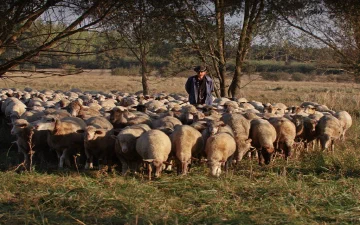
An afternoon on the pasture
Official Synopsis László Sáfián – born into a Hungarian family that has been herding for generations – explains how he, with his dog, manages close-herded grazing on a patchy semi-natural pasture.
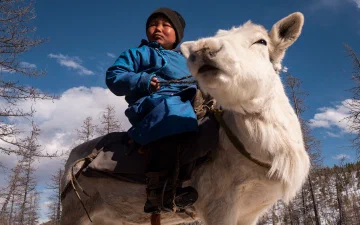
Bayandalai: Lord of the Taiga
Official Synopsis From inside his yurt in northern Mongolia, the reindeer herder Bayandalai ‒ an elder of the Dukhas tribe ‒ muses about the significance of life and death in the largest forest on Earth, the Taiga.
Catching Raindrops in Africa
Official Synopsis Produced for the Stockholm International Water Institute (SIWI), this short documentary showcases smallholder farmers and pastoralists as frontline water managers in Africa, advocating for investments in rainfed agriculture and soil moisture conservation.
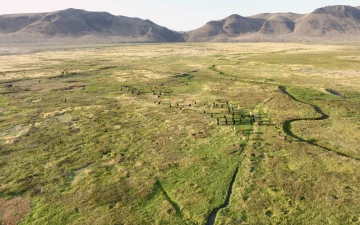
Changing a Landscape to a Lifescape: the Humboldt Ranch
Official Synopsis In northeastern Nevada, the Humboldt Ranch is transforming more than 350,000 acres of public and private rangelands through innovative grazing practices.
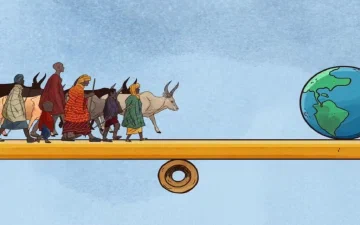
Climate change and pastoralism
Official Synopsis Part of the MOOC course material for Pastoralism in Development created by IIED, MISEREOR, and Saverio Krätli.
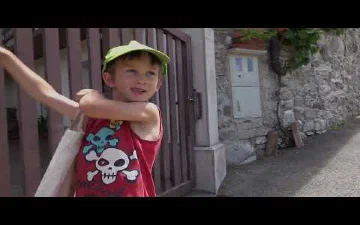
Commitment (Zaveza)
Official Synopsis A student workshop documentary about a Slovenian urban family who moved to the countryside to dedicate themselves to goat herding, capturing their daily commitment, hard manual labor, and family bond.
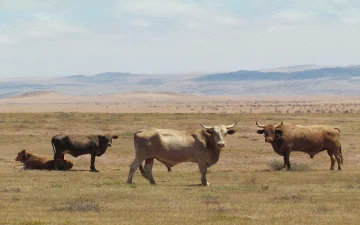
Conservation and Traditional Survival
Official Synopsis After several years of negotiations with the South African National Parks Board, the local Nama people were allowed to remain living and grazing their livestock in a designated nature conservation area – the Richtersveld World Heritage Site in Northern Cape Province bordering Namibia.
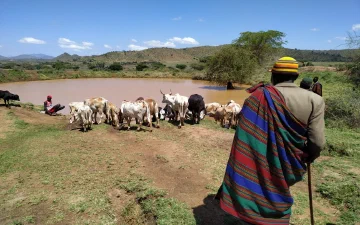
Cowherds of the Savannah
Official Synopsis The Karamojong are herdsmen in the North-East of Uganda and guardians of their landscape.
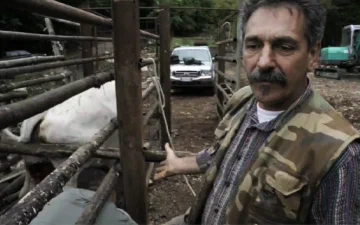
Days of the Wolf
Official Synopsis In Italy’s Apennine Mountains, large carnivores are creating problems for herders.
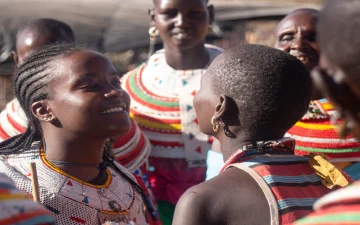
Enchukunoto (The Return)
Official Synopsis In this intimate and groundbreaking film, Laissa Malih, the first female Maasai filmmaker, returns to her ancestral village in Laikipia to explore how climate change is transforming Maasai lands and lives.
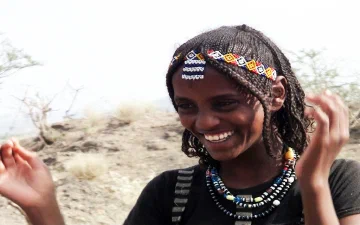
Fatuma and Assya – Two Afar Girls in Ethiopia
Official Synopsis This film tells the story of two girls in Afar, northeast Ethiopia, and how they face challenges in their young lives: Fatuma seeking to avoid the traditional arranged marriage and Asya trying to deal with livestock theft and conflict with the Somali Issa.
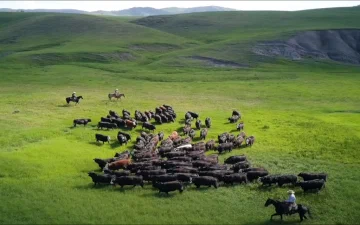
Guardians of the grasslands
Official Synopsis Canada’s native grasslands are disappearing at an alarming rate; they are one of the most endangered ecosystems in the world.
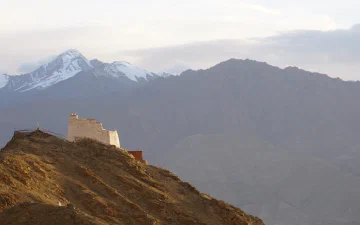
Living in the Mountains of Ladakh
Official Synopsis In this film, a nomadic woman shares her daily life in Ladakh’s high mountains.
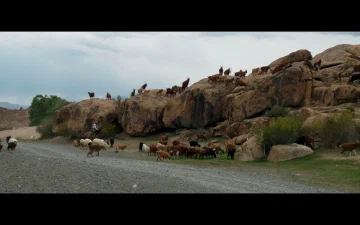
Losing Ground: Documentary Cinema, Pastoral Knowledge, and Environmental Justice in Mongolia
Official Synopsis An ethnographic documentary examining how climate change, overgrazing, and destructive mining practices threaten Mongolian nomadic herders.
Maasai Voices on Climate Change (and other changes, too)
Official Synopsis A 10-minute participatory documentary made by a freshly trained-in-filmmaking group of young Kenyan Maasai women and men from the Maasai Mara, sharing their firsthand observations on climate change, changing seasons, land privatization, and cultural transformation.
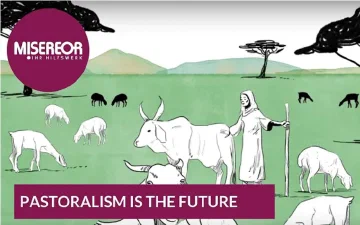
Pastoralism is the future
Official Synopsis Man-made climate change is creating conditions on our planet that are increasingly characterised by variability and unpredictability.
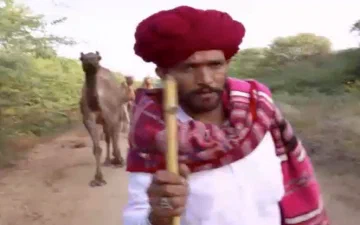
Preserving Rajasthan's camel herds
Official Synopsis Features community-led initiatives in Rajasthan to create sustainable livelihoods from camel milk and camel wool products, aiming to save endangered camel herds and preserve the traditional Raika way of life.
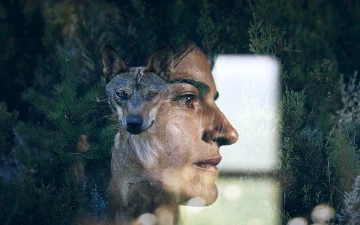
Sharing the Land
Official Synopsis This documentary brings the testimonies of three herders – Fernando, Juan and Sofía – who have learnt to live close to wolves.
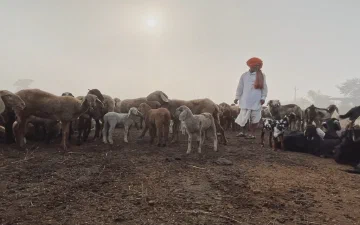
Shepherds of the Deccan
Official Synopsis For hundreds of years, the Dhangar nomads have kept sheep on the Deccan Plateau in Maharashtra State, India.
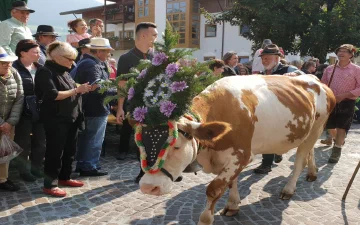
Stories from the landscape: cattle drove
Official Synopsis This film shows the living cultural heritage of transhumance in Europe: moving livestock to different grazing grounds in a seasonal cycle that goes back as long as people have been farming in the region.
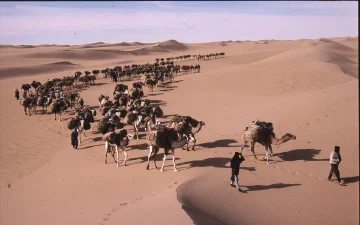
Tarlamt: Salt Caravan to Bilma
Official Synopsis Filmed in 2000 with lightweight equipment in harsh desert conditions, this documentary follows a Tuareg (Kel Eway Imjaghan) camel caravan traveling across the Sahara to Bilma, documenting traditional trade routes, desert survival, and social organization.
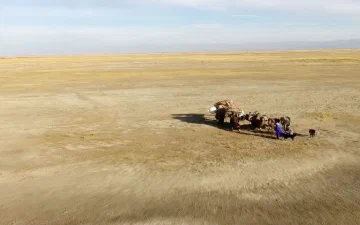
Tes River Mongolians
Official Synopsis The Tes River flows from the Bulnai Mountains through three Mongolian provinces – Khuvsgul, Zavkhan and Uvs – feeds into Lake Uvs, registered by UNESCO in 2013 as a Natural World Heritage site.
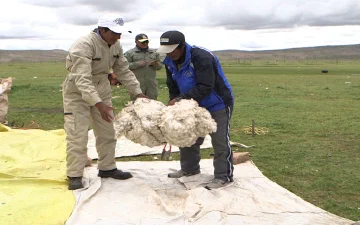
The Custodians of the Andean Gold
Official Synopsis In the high Andes of Peru and Bolivia, Quechua and Aymara families depend on alpacas and vicuñas for their livelihoods, selling the animals’ prized fiber.
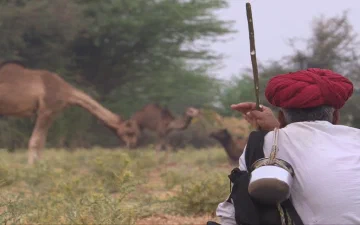
The Kumbhalgarh Raika Story
Official Synopsis Highlights the struggle of the Raika camel herders of Rajasthan, India, as they advocate for grazing access rights within the Kumbhalgarh Wildlife Sanctuary, demonstrating their role as stewards of forest biodiversity.
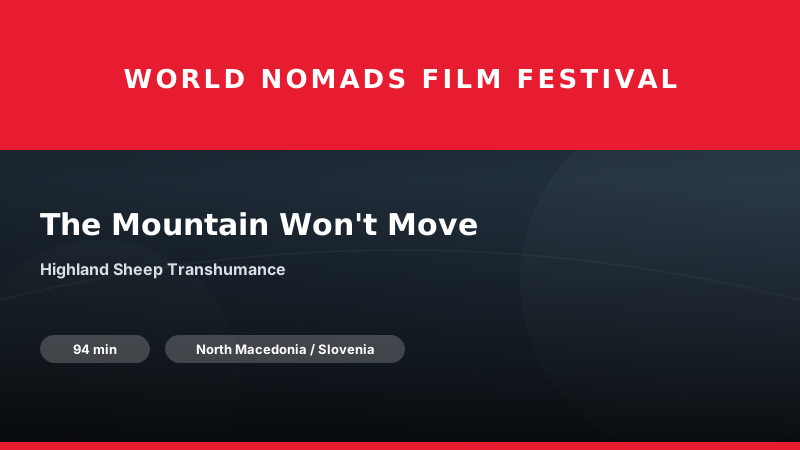
The Mountain Won't Move (Gora ne premakne se)
Official Synopsis A feature-length documentary produced in 2025 following young brothers herding sheep in the rugged mountains of North Macedonia, delving into family relationships, loneliness, and the struggle to sustain high-altitude transhumance.

Wind has no tail
Official Synopsis Filmed in the Arctic tundra of the Yamal Peninsula, Russia (produced in 2024), this intimate documentary follows Nika, a young Nenets girl living with her nomadic reindeer herding family as she prepares to leave her tundra home for a remote boarding school.