Community Location Map

📍 Location: High Andes Altiplano, Peru / Bolivia / Argentina / Chile
Overview & Cultural Background
Andean pastoralists are Indigenous Quechua and Aymara communities inhabiting the high-altitude Altiplano and puna ecosystems of the South American Andes, situated between 3,800 and 5,000 meters above sea level. Pastoralism in the Andes represents one of the oldest continuous camelid herding traditions in the world, dating back over 6,000 years.
Herders rely on specialized irrigation techniques to construct and maintain high-altitude peatlands known as bofedales, which provide crucial green pasture year-round. Beyond livestock breeding for meat and high-value fiber, Andean pastoralists preserve traditional social reciprocity structures (ayni and minka) and perform ancient spiritual ceremonies honoring Pachamama (Mother Earth) and mountain guardian spirits (apu). Ancient trade caravans using llamas continue to connect high-altitude herders with valley farmers.
Key facts
- Estimated Population: Approximately 3 million Indigenous Quechua and Aymara agropastoralists
- Primary Livestock Herded: Llamas (Lama glama), alpacas (Vicugna pacos), domesticated sheep, and wild vicuñas (Vicugna vicugna) managed via communal chaku captures.
- ️Contemporary Challenges: Glacier retreat and altered rainfall patterns reducing high-altitude wetland (bofedales) water supplies, youth rural-to-urban migration, price volatility in global alpaca wool markets, and mineral extraction encroachment on Indigenous grazing lands.
Featured Films in the Festival Program
-
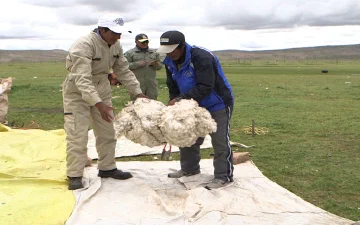 The Custodians of the Andean Gold ⏱ 32 min | 🌍 Bolivia | 🎬 Bibiana Vilá & CONICET