Community Location Map

📍 Location: Mongolian Steppe, Gobi Desert & Altai Mountains, Mongolia
Overview & Cultural Background
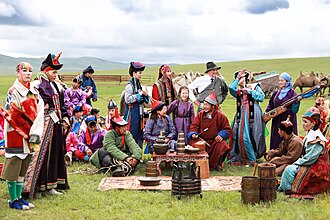
Mongolians are one of the largest remaining nomadic pastoral cultures on Earth, maintaining livestock across the grasslands, mountains, and desert steppes of their national territory in Inner Asia. Living in portable felt dwellings (ger), herding families move camp several times a year to follow water and fresh pasture.
Mongolian herders maintain the ‘Five Snouts’ livestock mix to maximize ecological resilience. Horses provide fermented mare’s milk (airag), Bactrian camels navigate the arid Gobi, yaks thrive in the high Altai, while sheep and goats supply meat, milk, wool, and cashmere. Indigenous environmental stewardship is guided by deep respect for lands and waters.
Key facts
- Estimated Population: Approximately 1.2 million nomadic herders (nearly 30% of the national population)
- Primary Livestock Herded: The ‘Five Snouts’ (Taban Khushuu): horses, Bactrian camels, cattle/yaks, sheep, and goats
- ️Contemporary Challenges: Increasing frequency of severe winter freezes (dzud), grassland degradation related to climate change and reduced mobility, and mining land concessions.

Featured Films in the Festival Program
-
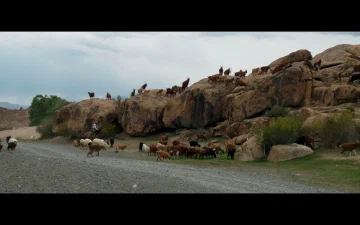 Losing Ground: Documentary Cinema, Pastoral Knowledge, and Environmental Justice in Mongolia ⏱ 30 min | 🌍 Mongolia | 🎬 Bradley Rappa
 -
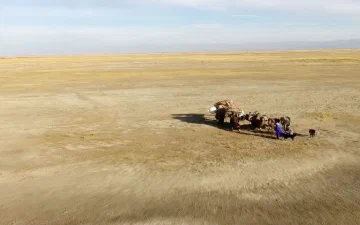 Tes River Mongolians ⏱ 58 min | 🌍 Mongolia | 🎬 Joseph L. Subbiondo / Asian Cultural Council