Location: Cañadas Reales & Sistema Central, Extremadura / Castile / Andalusia, Spain
Overview & Cultural Background
Spanish transhumance (la trashumancia) is one of Europe’s oldest and most organized pastoral systems, dating back to the medieval Honorable Council of the Mesta (1273). Herders drive hundreds of thousands of sheep and cattle along a 125,000-kilometer network of protected public livestock trails (cañadas reales), migrating between southern winter pastures (dehesas) in Extremadura and high summer pastures in the Sistema Central mountains.
Transhumance plays an essential ecological role in Spain: livestock transport millions of plant seeds daily, create firebreaks against catastrophic wildfires, and sustain biodiverse oak savanna landscapes (dehesa). Annual events, such as driving sheep through central Madrid, celebrate this living cultural heritage.
Key facts
- Estimated Population: Approximately 5,000 active transhumant pastoralists
- Primary Livestock Herded: Merino sheep, Avileña-Black Iberian cattle, Retinta cattle, and Mastín Español protection dogs
- Contemporary Challenges: Urban sprawl and infrastructure obstructing ancient royal droving roads (cañadas reales), extreme summer heat and water shortages, complex regional border regulations, and an aging workforce.
Featured Films in the Festival Program
-
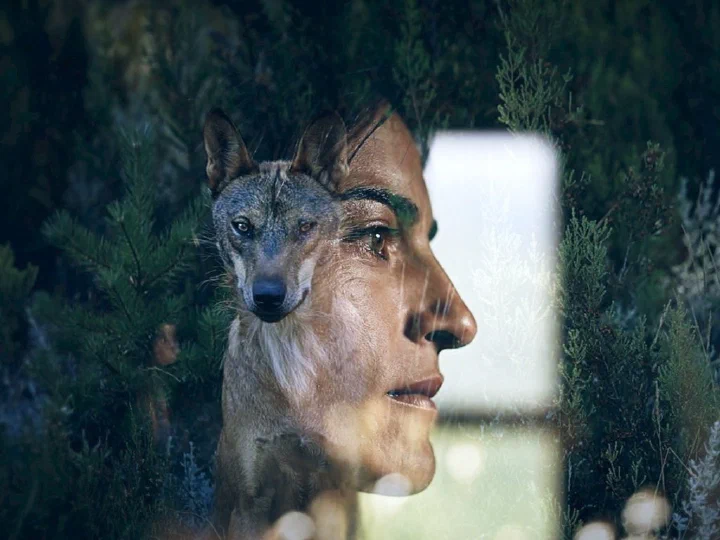 Sharing the Land 14 min | Spain | Ofelia de Pablo & Javier Zurita