Man-made climate change is creating conditions on our planet that are increasingly characterised by variability and unpredictability.
The World Nomads Ger Cinema will operate at the “Nomads” World Culture Festival at Taij Mountain, Nalaikh from August 21–23, 2026. Hosted by the Commission on Nomadic Peoples and the International Institute for the Study of Nomadic Civilizations under the Auspices of UNESCO.
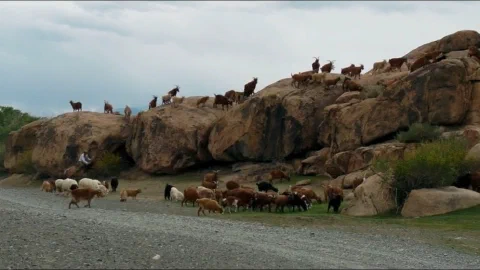
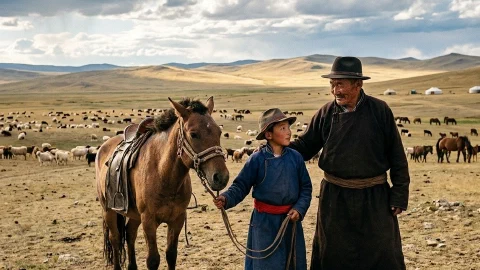
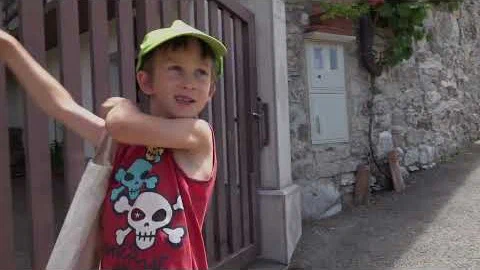
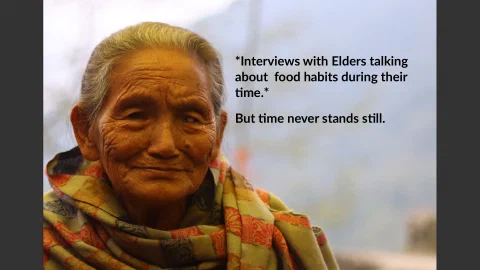
Man-made climate change is creating conditions on our planet that are increasingly characterised by variability and unpredictability. An ethnographic documentary examining how climate change, overgrazing, and destructive mining practices threaten Mongolian nomadic herders. Produced by Steps Without Borders NGO (Хил хязгааргүй алхам), this 30-minute documentary focuses on nomadic herding families living in Airag sum, Dornogovi aimag, Mongolia. As the Naadam summer festival approaches, horse trainer Amraa and 11-year-old jockey Jantska prepare their stallion for the race. A student workshop documentary about a Slovenian urban family who moved to the countryside to dedicate themselves to goat herding, capturing their daily commitment, hard manual labor, and family bond. In the remote mountains of West Sikkim, a community of yak herders once lived in close relationship with nature, relying on traditional farm ing, local seeds, forest resources, and ancestral knowledge passed down through generations.
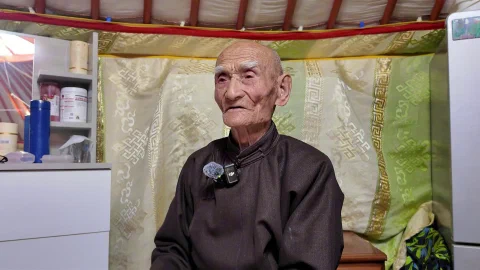
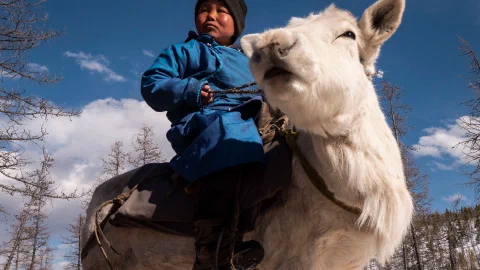
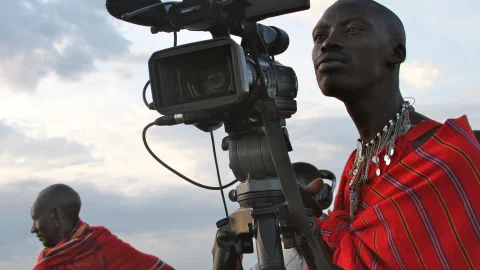
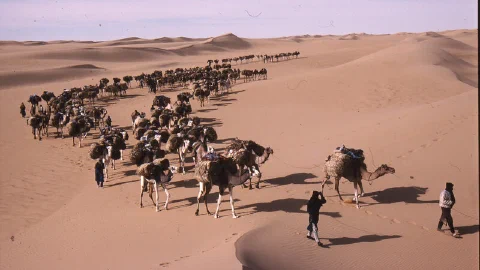
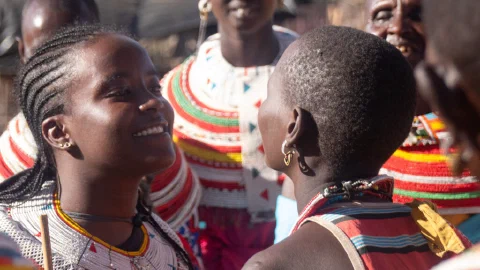
Man-made climate change is creating conditions on our planet that are increasingly characterised by variability and unpredictability. From inside his yurt in northern Mongolia, the reindeer herder Bayandalai ‒ an elder of the Dukhas tribe ‒ muses about the significance of life and death in the largest forest on Earth, the Taiga. Canada’s native grasslands are disappearing at an alarming rate; they are one of the most endangered ecosystems in the world. A 10-minute participatory documentary made by a freshly trained-in-filmmaking group of young Kenyan Maasai women and men from the Maasai Mara, sharing their firsthand observations on climate change, changing seasons, land privatization, and cultural transformation. Filmed in 2000 with lightweight equipment in harsh desert conditions, this documentary follows a Tuareg (Kel Eway Imjaghan) camel caravan traveling across the Sahara to Bilma, documenting traditional trade routes, desert survival, and social organization. Produced by Steps Without Borders NGO (Хил хязгааргүй алхам), this 30-minute documentary focuses on nomadic herding families living in Airag sum, Dornogovi aimag, Mongolia.
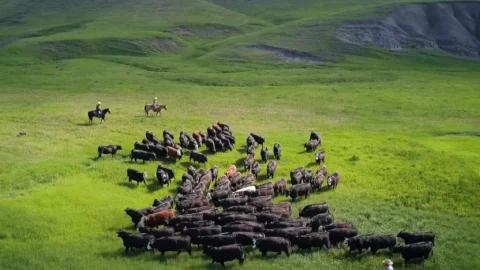
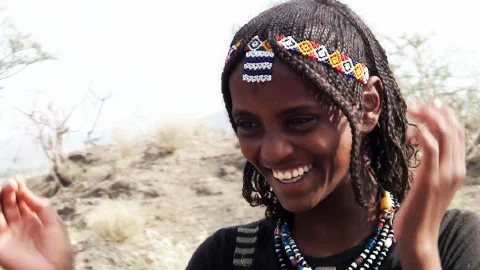
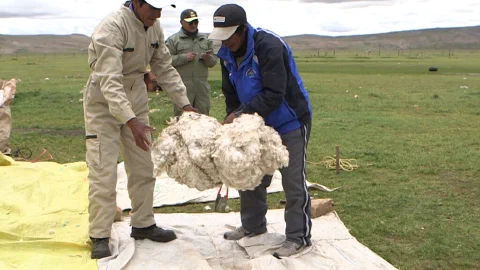
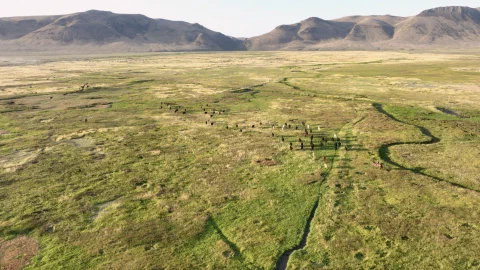
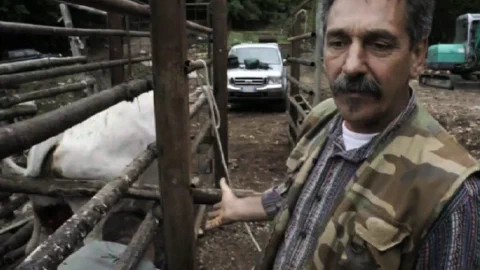
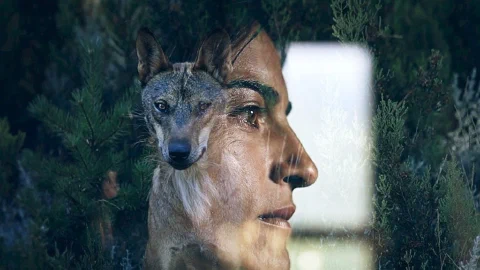
Man-made climate change is creating conditions on our planet that are increasingly characterised by variability and unpredictability. This film tells the story of two girls in Afar, northeast Ethiopia, and how they face challenges in their young lives: Fatuma seeking to avoid the traditional arranged marriage and Asya trying to deal with livestock theft and conflict with the Somali Issa. In this intimate and groundbreaking film, Laissa Malih, the first female Maasai filmmaker, returns to her ancestral village in Laikipia to explore how climate change is transforming Maasai lands and lives. In the high Andes of Peru and Bolivia, Quechua and Aymara families depend on alpacas and vicuñas for their livelihoods, selling the animals’ prized fiber. In northeastern Nevada, the Humboldt Ranch is transforming more than 350,000 acres of public and private rangelands through innovative grazing practices. In Italy’s Apennine Mountains, large carnivores are creating problems for herders. This documentary brings the testimonies of three herders – Fernando, Juan and Sofía – who have learnt to live close to wolves.
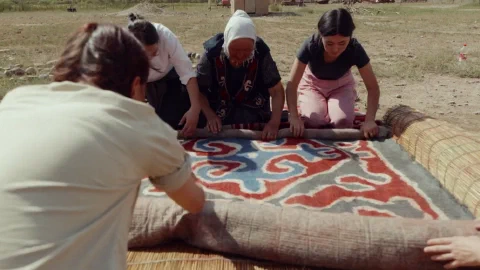
Man-made climate change is creating conditions on our planet that are increasingly characterised by variability and unpredictability. The Path (Чыйыр) is an ethnographic documentary centering on Kulmat, a manaschy (traditional epic storyteller) in Kyrgyzstan who received the oral performance gift through a visionary dream in his youth. Produced by the independent Tartaly Film Collective in Kyrgyzstan, Alihan’s Village (Bizdin Ayyl) follows a young boy named Alihan living in a rural mountain village where everyone knows each other’s nicknames. Produced by the Tartaly Film Collective, Ala kiyiz documents the traditional Kyrgyz art of felt carpet making. In this intimate and groundbreaking film, Laissa Malih, the first female Maasai filmmaker, returns to her ancestral village in Laikipia to explore how climate change is transforming Maasai lands and lives.
As the Naadam summer festival approaches, horse trainer Amraa and 11-year-old jockey Jantska prepare their stallion for the race.
An ethnographic documentary examining how climate change, overgrazing, and destructive mining practices threaten Mongolian nomadic herders.
Produced by Steps Without Borders NGO (Хил хязгааргүй алхам), this 30-minute documentary focuses on nomadic herding families living in Airag sum, Dornogovi aimag, Mongolia.