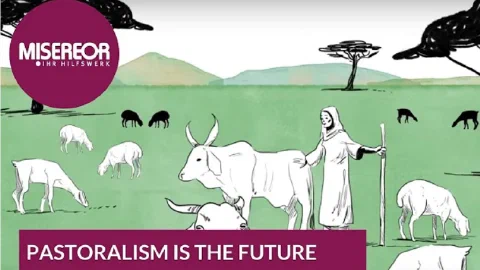
Man-made climate change is creating conditions on our planet that are increasingly characterised by variability and unpredictability.
The World Nomads Ger Cinema will operate at the “Nomads” World Culture Festival at Taij Mountain, Nalaikh from August 21–23, 2026. Hosted by the Commission on Nomadic Peoples and the International Institute for the Study of Nomadic Civilizations under the Auspices of UNESCO.
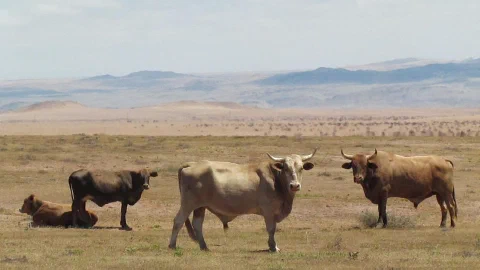
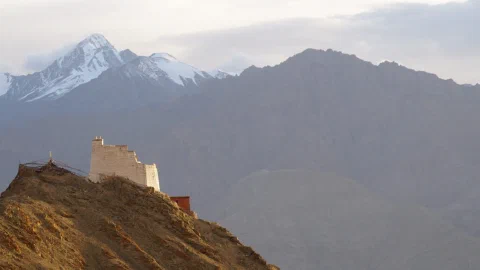
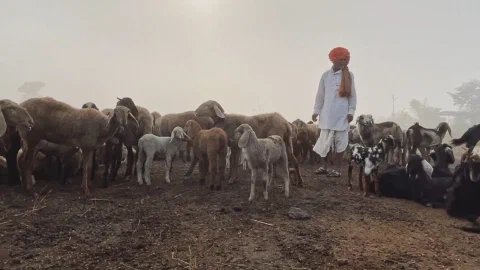
Man-made climate change is creating conditions on our planet that are increasingly characterised by variability and unpredictability. In this film, a nomadic woman shares her daily life in Ladakh’s high mountains. For hundreds of years, the Dhangar nomads have kept sheep on the Deccan Plateau in Maharashtra State, India. The Tes River flows from the Bulnai Mountains through three Mongolian provinces – Khuvsgul, Zavkhan and Uvs – feeds into Lake Uvs, registered by UNESCO in 2013 as a Natural World Heritage site.
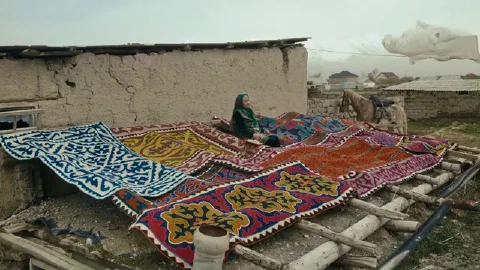
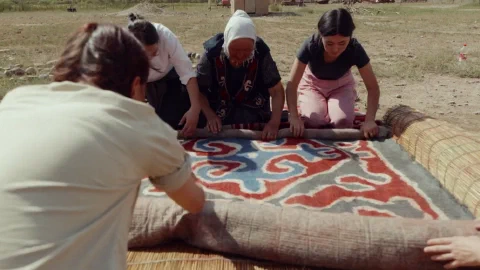
Special showcase presenting independent documentary shorts from the Kyrgyzstan-based Tartaly Film Collective, exploring village youth, female identity, felt carpet craftsmanship, and living epic traditions.
Produced by the independent Tartaly Film Collective in Kyrgyzstan, Alihan’s Village (Bizdin Ayyl) follows a young boy named Alihan living in a rural mountain village where everyone knows each other’s nicknames. Directed by Alina Baitokova for the Tartaly Film Collective, Umai explores female identity, maternal care, and social resilience in contemporary Kyrgyzstan. Produced by the Tartaly Film Collective, Ala kiyiz documents the traditional Kyrgyz art of felt carpet making. The Path (Чыйыр) is an ethnographic documentary centering on Kulmat, a manaschy (traditional epic storyteller) in Kyrgyzstan who received the oral performance gift through a visionary dream in his youth.
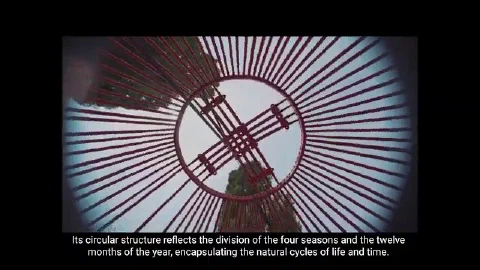
Man-made climate change is creating conditions on our planet that are increasingly characterised by variability and unpredictability. László Sáfián – born into a Hungarian family that has been herding for generations – explains how he, with his dog, manages close-herded grazing on a patchy semi-natural pasture.
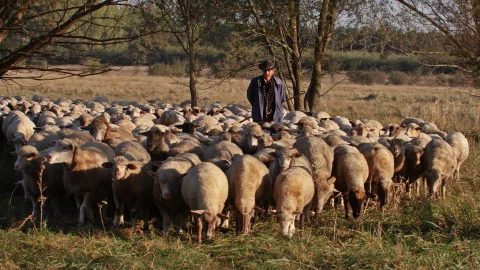
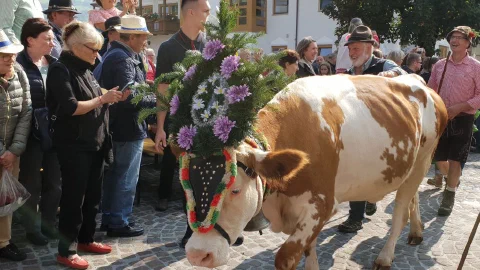
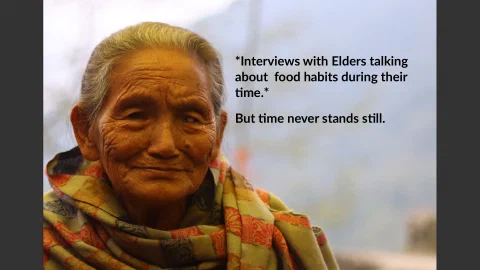
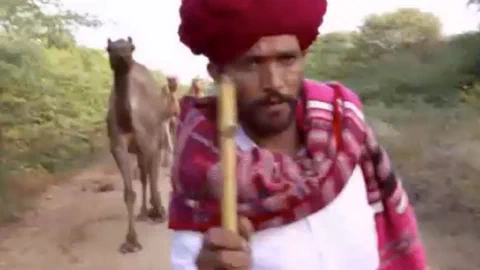
Man-made climate change is creating conditions on our planet that are increasingly characterised by variability and unpredictability. This film shows the living cultural heritage of transhumance in Europe: moving livestock to different grazing grounds in a seasonal cycle that goes back as long as people have been farming in the region. After several years of negotiations with the South African National Parks Board, the local Nama people were allowed to remain living and grazing their livestock in a designated nature conservation area – the Richtersveld World Heritage Site in Northern Cape Province bordering Namibia. In the remote mountains of West Sikkim, a community of yak herders once lived in close relationship with nature, relying on traditional farm ing, local seeds, forest resources, and ancestral knowledge passed down through generations. Features community-led initiatives in Rajasthan to create sustainable livelihoods from camel milk and camel wool products, aiming to save endangered camel herds and preserve the traditional Raika way of life.