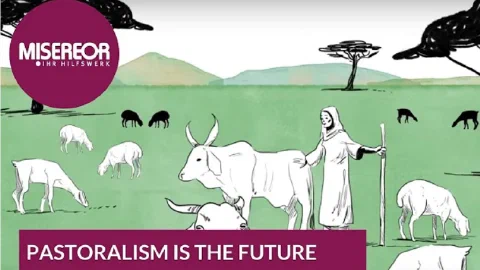
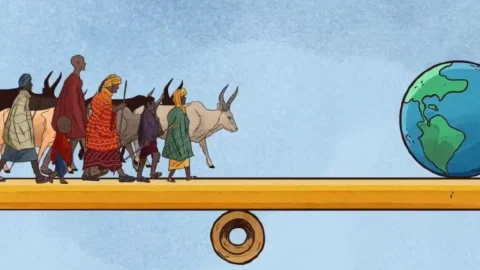
Man-made climate change is creating conditions on our planet that are increasingly characterised by variability and unpredictability.
The World Nomads Ger Cinema will operate at the “Nomads” World Culture Festival at Taij Mountain, Nalaikh from August 21–23, 2026. Hosted by the Commission on Nomadic Peoples and the International Institute for the Study of Nomadic Civilizations under the Auspices of UNESCO.
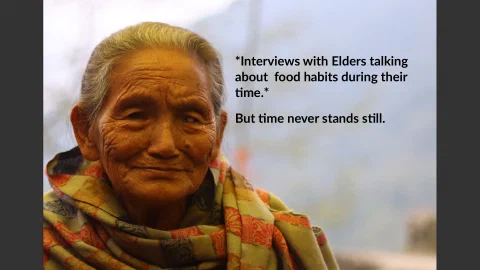
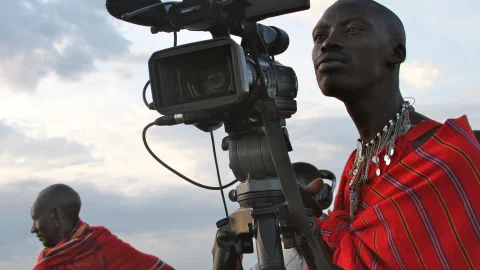
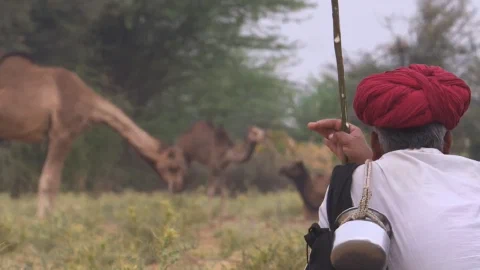
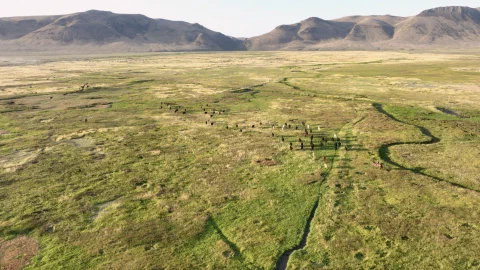
Man-made climate change is creating conditions on our planet that are increasingly characterised by variability and unpredictability. Part of the MOOC course material for Pastoralism in Development created by IIED, MISEREOR, and Saverio Krätli. In the remote mountains of West Sikkim, a community of yak herders once lived in close relationship with nature, relying on traditional farm ing, local seeds, forest resources, and ancestral knowledge passed down through generations. A 10-minute participatory documentary made by a freshly trained-in-filmmaking group of young Kenyan Maasai women and men from the Maasai Mara, sharing their firsthand observations on climate change, changing seasons, land privatization, and cultural transformation. Highlights the struggle of the Raika camel herders of Rajasthan, India, as they advocate for grazing access rights within the Kumbhalgarh Wildlife Sanctuary, demonstrating their role as stewards of forest biodiversity. In northeastern Nevada, the Humboldt Ranch is transforming more than 350,000 acres of public and private rangelands through innovative grazing practices.
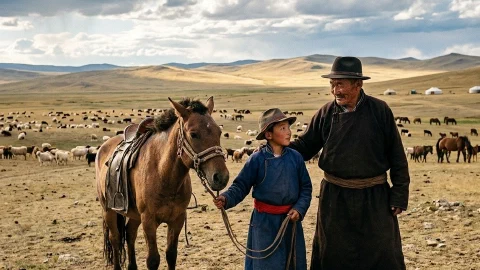
As the Naadam summer festival approaches, horse trainer Amraa and 11-year-old jockey Jantska prepare their stallion for the race.
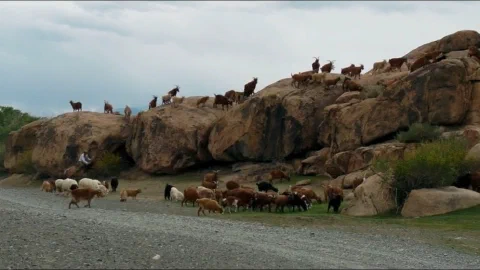
An ethnographic documentary examining how climate change, overgrazing, and destructive mining practices threaten Mongolian nomadic herders.
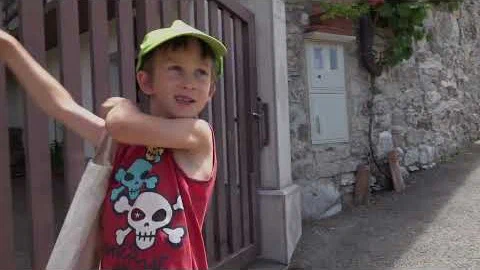
A student workshop documentary about a Slovenian urban family who moved to the countryside to dedicate themselves to goat herding, capturing their daily commitment, hard manual labor, and family bond.
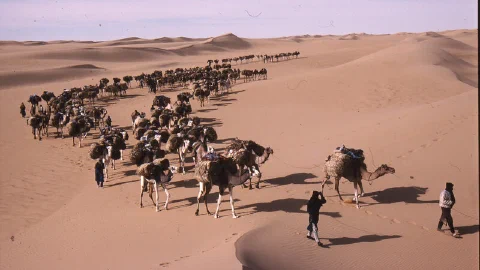
Filmed in 2000 with lightweight equipment in harsh desert conditions, this documentary follows a Tuareg (Kel Eway Imjaghan) camel caravan traveling across the Sahara to Bilma, documenting traditional trade routes, desert survival, and social organization.
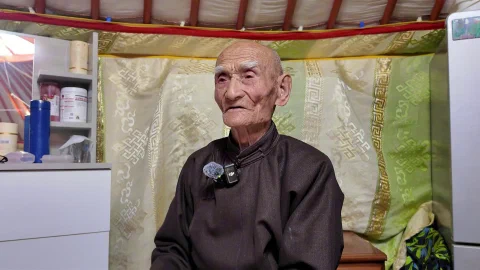
Produced by Steps Without Borders NGO (Хил хязгааргүй алхам), this 30-minute documentary focuses on nomadic herding families living in Airag sum, Dornogovi aimag, Mongolia.